














































Traditional cigarettes and disposable vaping devices may serve a similar purpose for nicotine users, but they work in very different ways. Understanding these differences can help adults make informed decisions about nicotine exposure, product features, and potential health risks. An elf bar vape is an electronic device that heats liquid to produce an aerosol, whereas a cigarette burns tobacco to create smoke.
How Do Vape Devices and Cigarettes Work?
Heating E-Liquid vs Burning Tobacco
Traditional cigarettes burn tobacco when lit, releasing smoke that contains nicotine, carbon monoxide, tar, and numerous other harmful chemicals. Vaping devices use a battery-powered heating element to turn e-liquid into an inhalable aerosol.
Although vaping does not involve burning tobacco, its aerosol can still contain harmful substances. Neither option should be considered risk-free.
Differences in Device Design
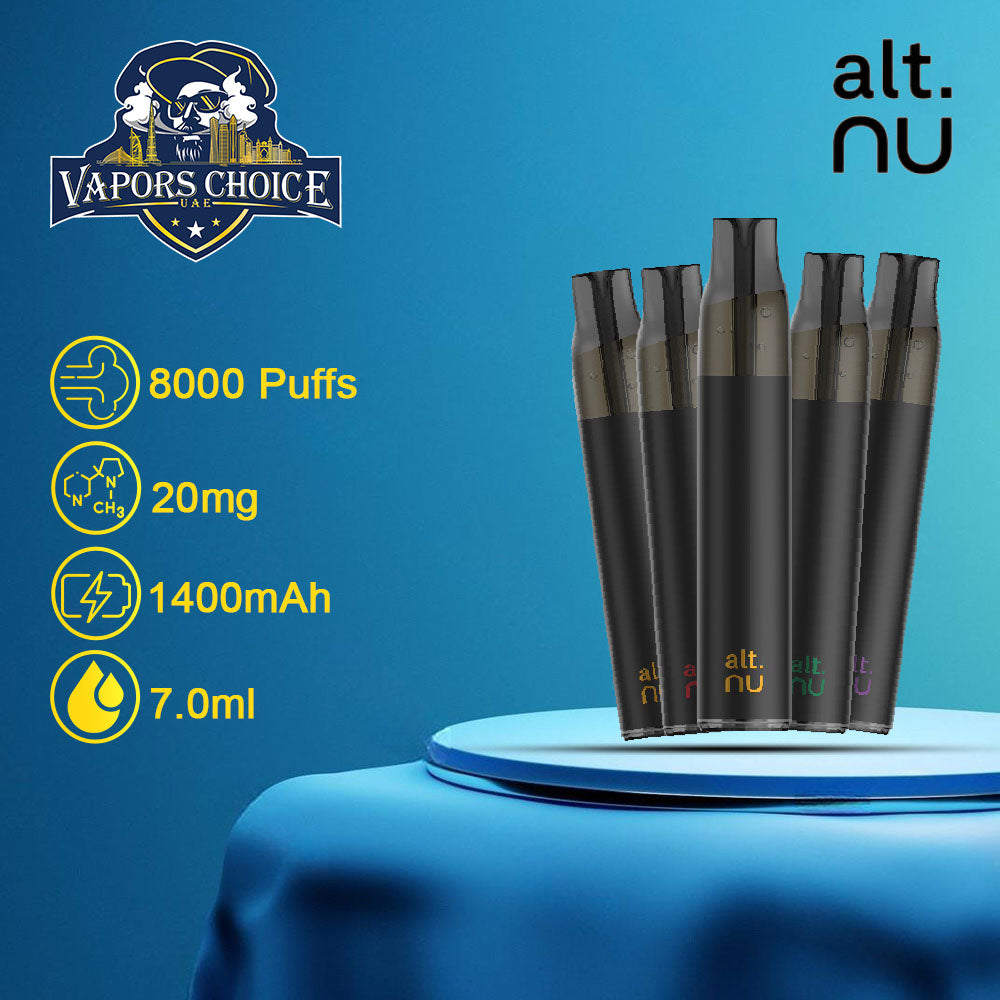
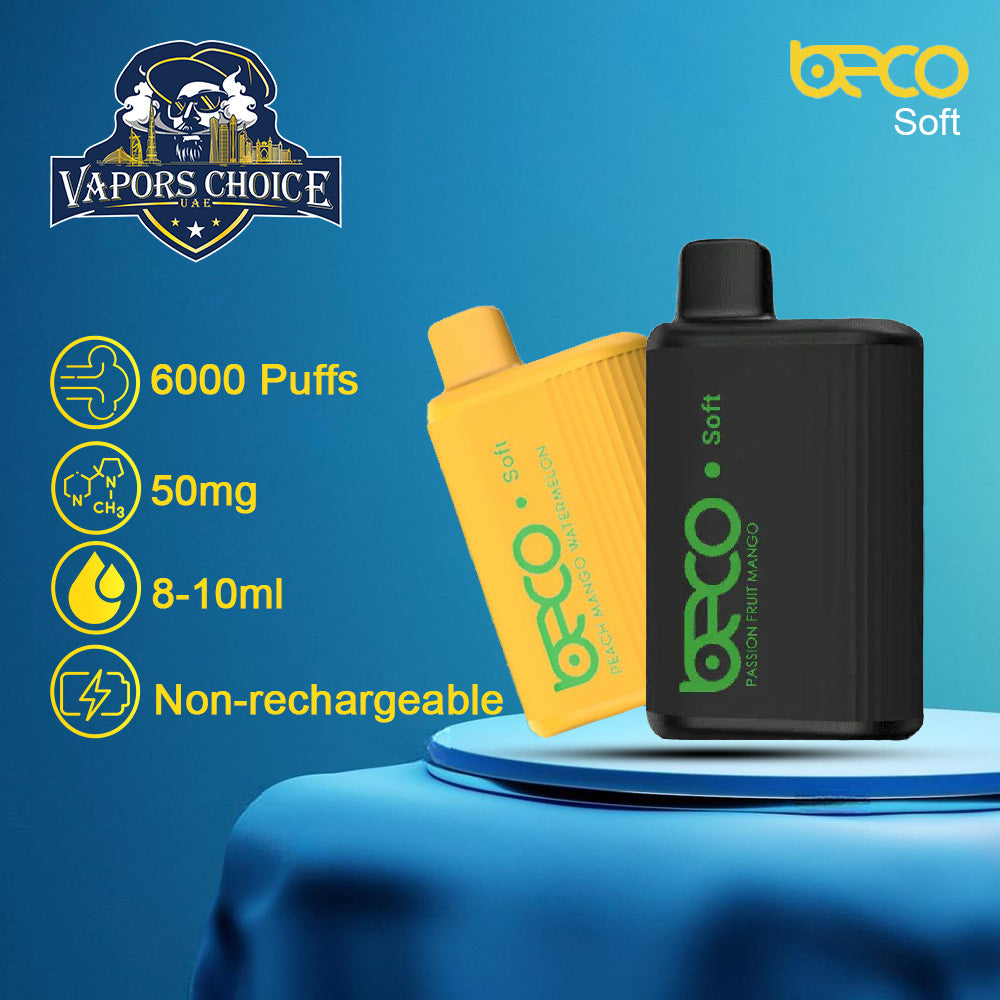
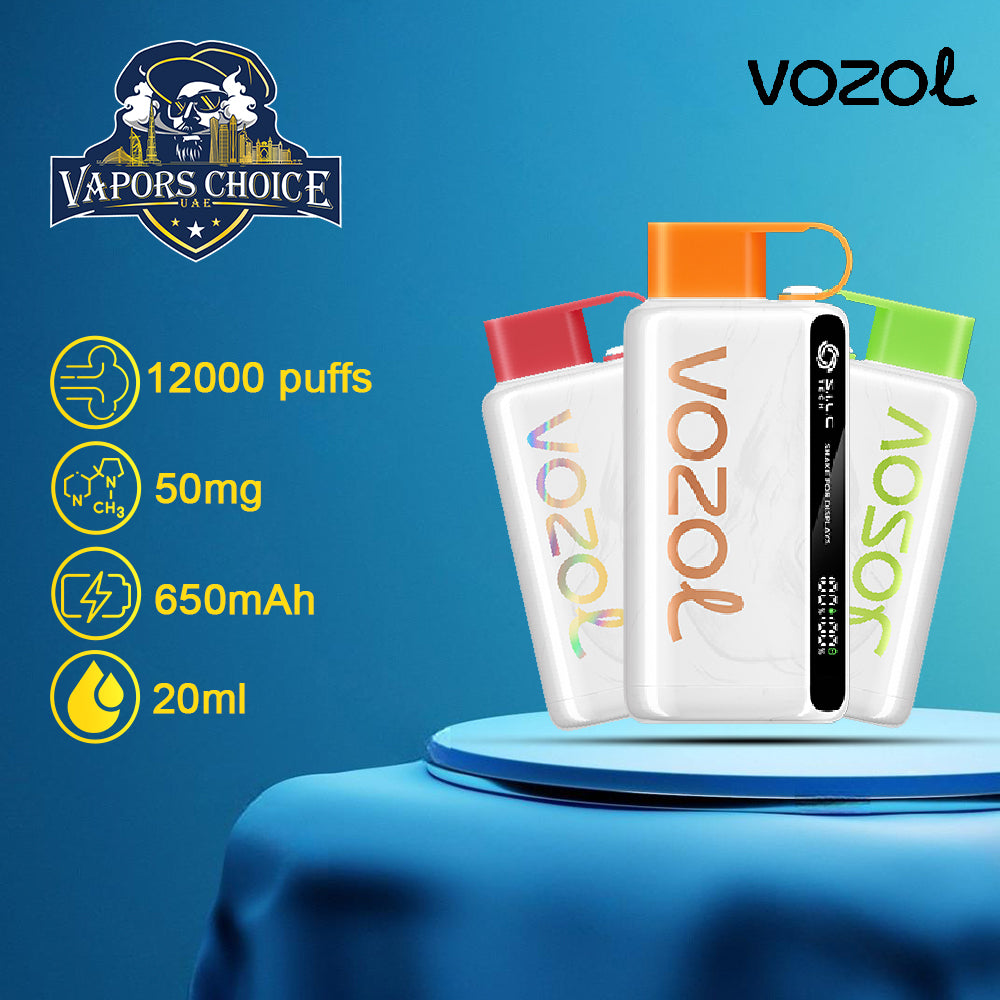
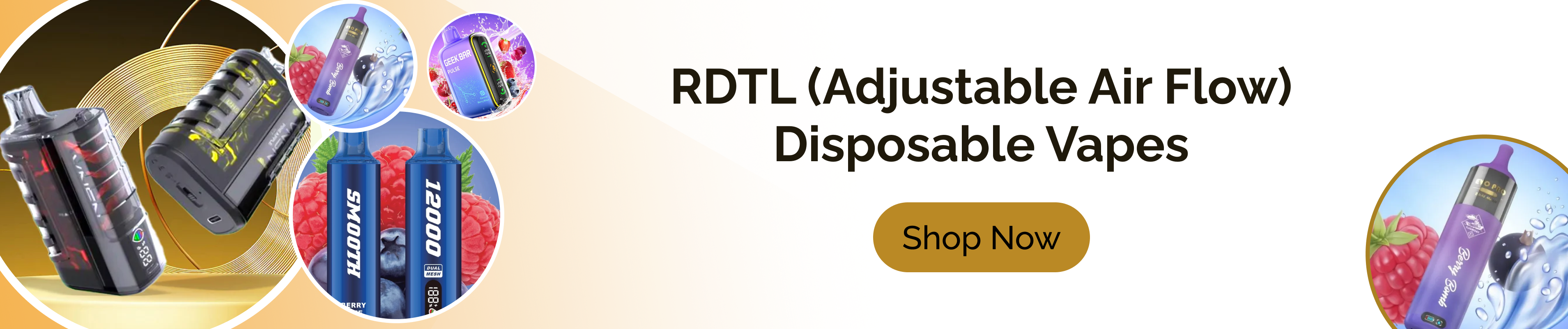
A disposable vape typically comes pre-filled and requires no manual refilling. Depending on the model, it may activate when the user inhales and offer a range of flavour options.
Some devices advertise capacities of up to 30,000 puffs. This figure is an estimate rather than a guarantee, as actual usage depends on puff duration and frequency.
Traditional cigarettes, by comparison, are individually manufactured tobacco products that are lit before use and discarded after smoking.
What Are the Main Differences Between Vapes and Cigarettes?
The following comparison highlights their key characteristics.
● Combustion: Cigarettes burn tobacco, while vapes heat e-liquid.
● Emissions: Cigarettes produce tobacco smoke; vapes produce an aerosol containing potentially harmful substances.
● Flavours: Disposable vapes may feature fruit, mint, candy, or cooling flavour profiles, while traditional cigarettes generally have a tobacco-based taste.
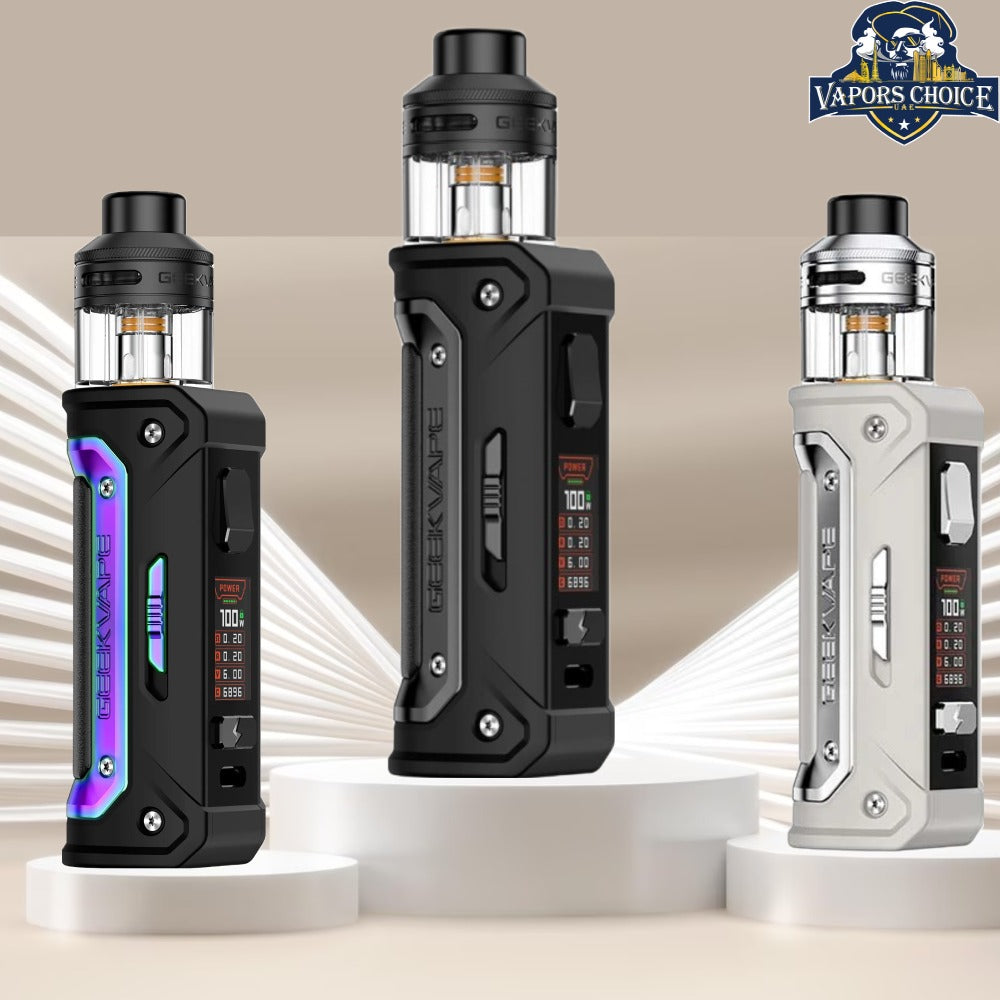
● Operation: Cigarettes require a flame, whereas electronic devices use a battery and heating element.
● Waste: Cigarette butts create litter, while disposable vapes require appropriate disposal because they contain electronic components and batteries.
These differences describe how the products function, not their overall safety.
Does an Elf Bar Vape Contain Nicotine?

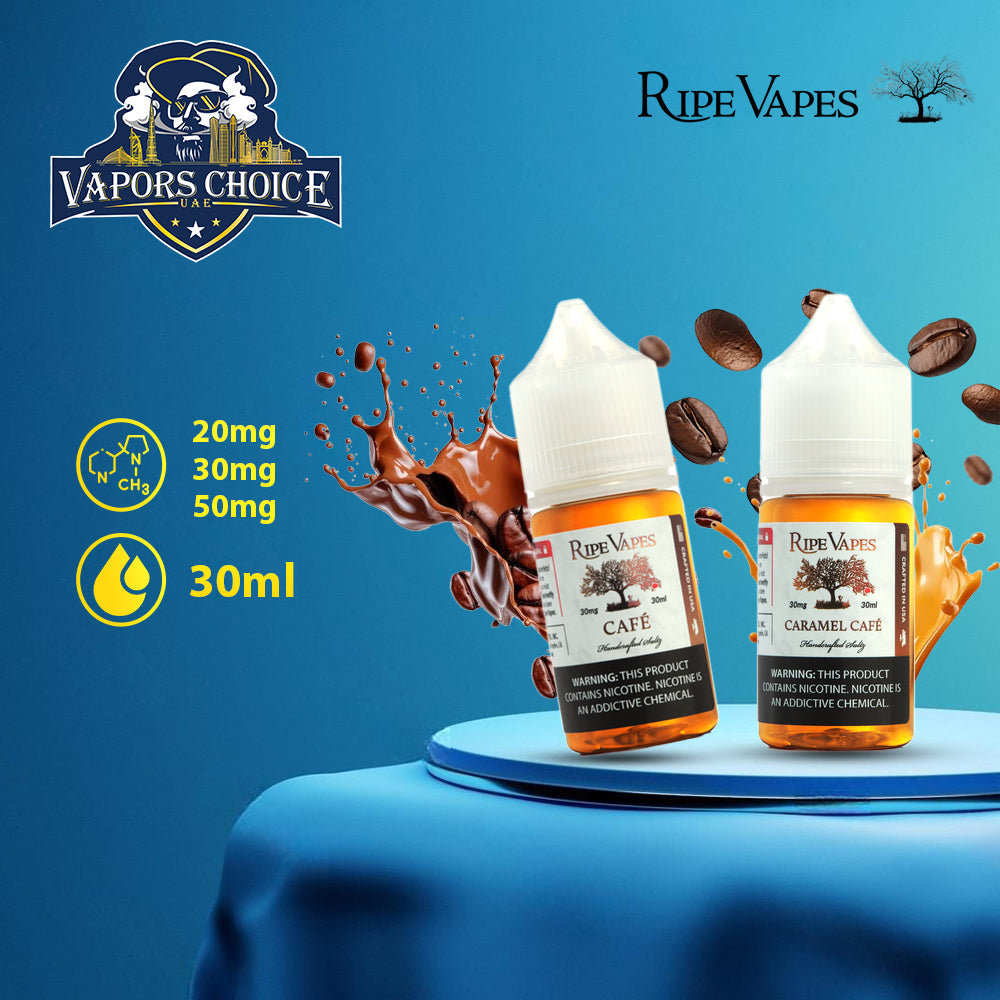
Many disposable vaping products contain nicotine, an addictive substance. The concentration varies by product, so checking the packaging and product specifications is important.
Nicotine exposure depends on factors such as concentration, inhalation frequency, and puff duration. A high advertised puff count does not indicate how much nicotine a person will absorb.
Adults should also remember that flavoured aerosols can make nicotine use feel different without removing the risks of dependence.
Which Health Risks Should Users Understand?
Cigarette smoking exposes users to toxic substances produced by burning tobacco and is associated with cancer, cardiovascular disease, and lung disease.
Vaping avoids tobacco combustion but is not harmless. Its aerosol may contain nicotine, fine particles, and other potentially harmful chemicals. The long-term effects of vaping are still being studied.
People who do not smoke should not start vaping. Anyone considering quitting smoking can seek advice from a qualified healthcare professional about evidence-based cessation options.
Final Takeaway!
The main difference between an elf bar vape and a traditional cigarette is how each produces inhalable emissions. One heats e-liquid, while the other burns tobacco. Understanding device design, nicotine content, and health risks supports more informed decisions without confusing convenience with safety.
Frequently Asked Questions
1. Does a disposable vape produce cigarette smoke?
No. A disposable vape produces an aerosol by heating e-liquid rather than burning tobacco. However, the aerosol can contain nicotine and other potentially harmful substances, so the absence of cigarette smoke does not mean it is safe to inhale.
2. Can disposable vapes contain more nicotine than cigarettes?
Nicotine exposure varies by device, liquid concentration, and usage patterns. Some vaping products contain substantial amounts of nicotine, but comparing total exposure with cigarettes requires more than looking at the labelled concentration alone.
3. Why do disposable vapes have puff-count ratings?
Puff-count ratings estimate how many inhalations a device may provide under particular conditions. Actual results vary with puff length, frequency, and device performance, so the advertised figure should not be treated as an exact measure.
4. Are flavoured vaping products safer than tobacco-flavoured products?
No flavour profile establishes that a vaping product is safe. Different flavourings may contain substances whose effects when inhaled are not fully understood. Nicotine content and potential exposure to harmful aerosol components remain important considerations.
5. How should disposable vaping devices be discarded?
Disposable vapes contain electronic components and batteries that can create fire and environmental hazards when placed in ordinary rubbish. Follow local electronic-waste and battery-disposal guidance, and never burn, puncture, or dismantle a used device.


 Read More